
Category: Forest Medicine
-
Meditation, Nature Connection, and Reflective Journaling: Theory and Practice
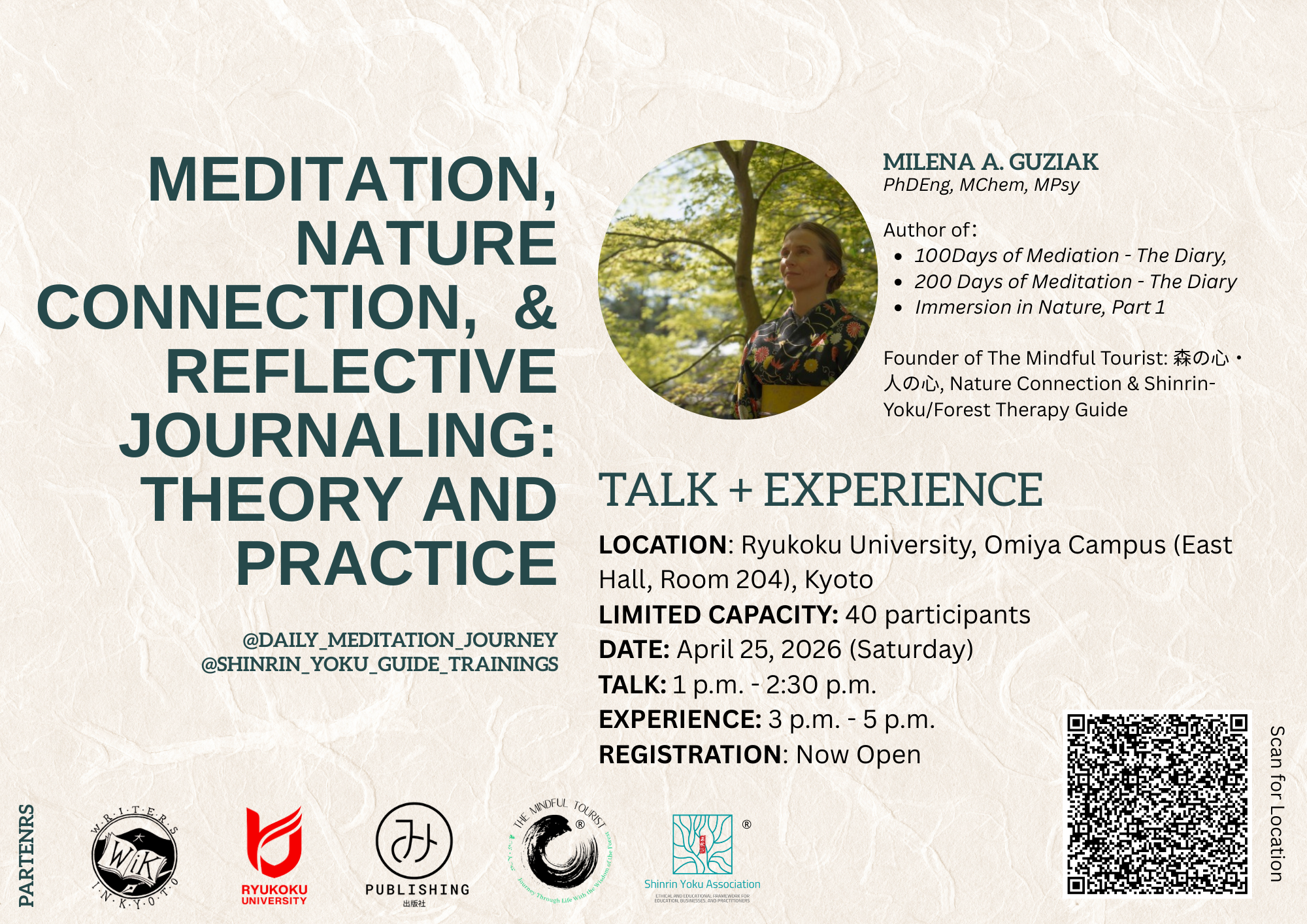
EVENT:. Meditation, Nature Connection, and Reflective Journaling: Theory and Practice. Talk + Experience ⚫ LOCATION: Ryukoku University, Omiya Campus, East Hall, Room TBD, Kyoto ⚫ LIMITED CAPACITY: 40 participants ⚫ DATE: April 24, 2026 ⚫ TALK: 1 p.m. – 2:45 p.m. ⚫ EXPERIENCE: 3 p.m. – 5 p.m. ⚫ REGISTRATION: Open Soon Registration will open…
-
Associations Between Nature Exposure and Health
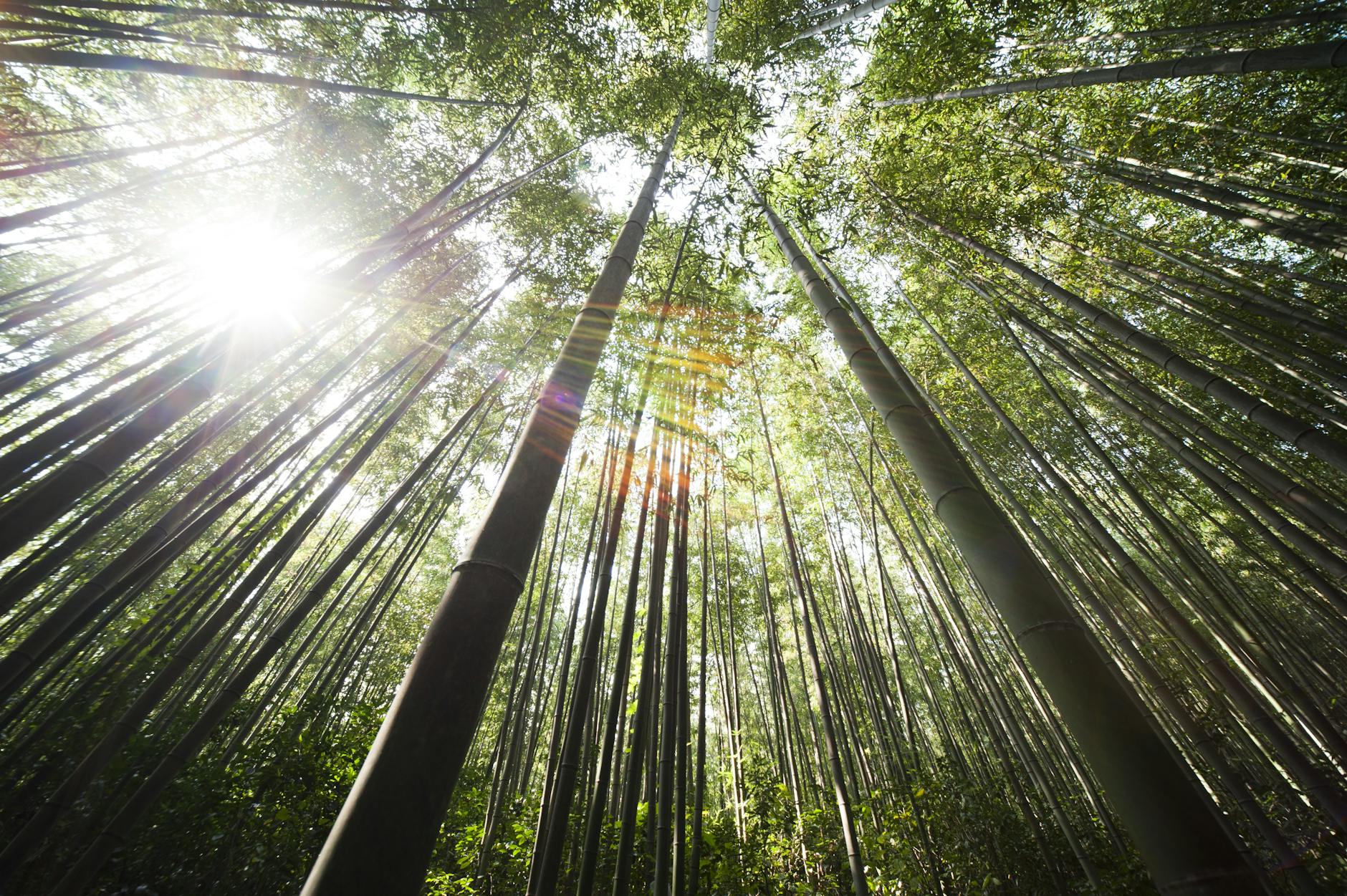
A large and rapidly expanding research literature links exposure to natural environments (e.g., forests, parks, gardens, “greener” neighborhoods) with benefits across mental health, cognitive function, cardiometabolic risk, sleep, and—under some conditions—immune function. Evidence comes from experimental studies (including forest-vs-urban comparisons), observational cohorts using greenness indices (e.g., NDVI), and emerging natural experiments and trials.
-
The Neuroscience of Forest: How Green Spaces and Outdoor Exposure Shape Brain Plasticity and Mental Health

The desire to understand does not end with mere curiosity; it extends into neuroscience, psychology, and urban planning as we seek to comprehend how our environment shapes the human brain. In recent years, a growing body of research has illuminated the effects of nature on mental health, cognitive function, and even brain structure. Three studies…
-
Rediscovering Japanese Perceptions of Wildlife: A Personal and Academic Journey of a Shinrin Yoku Guide, Forest Therapy Guide, Forest Bathing Guide
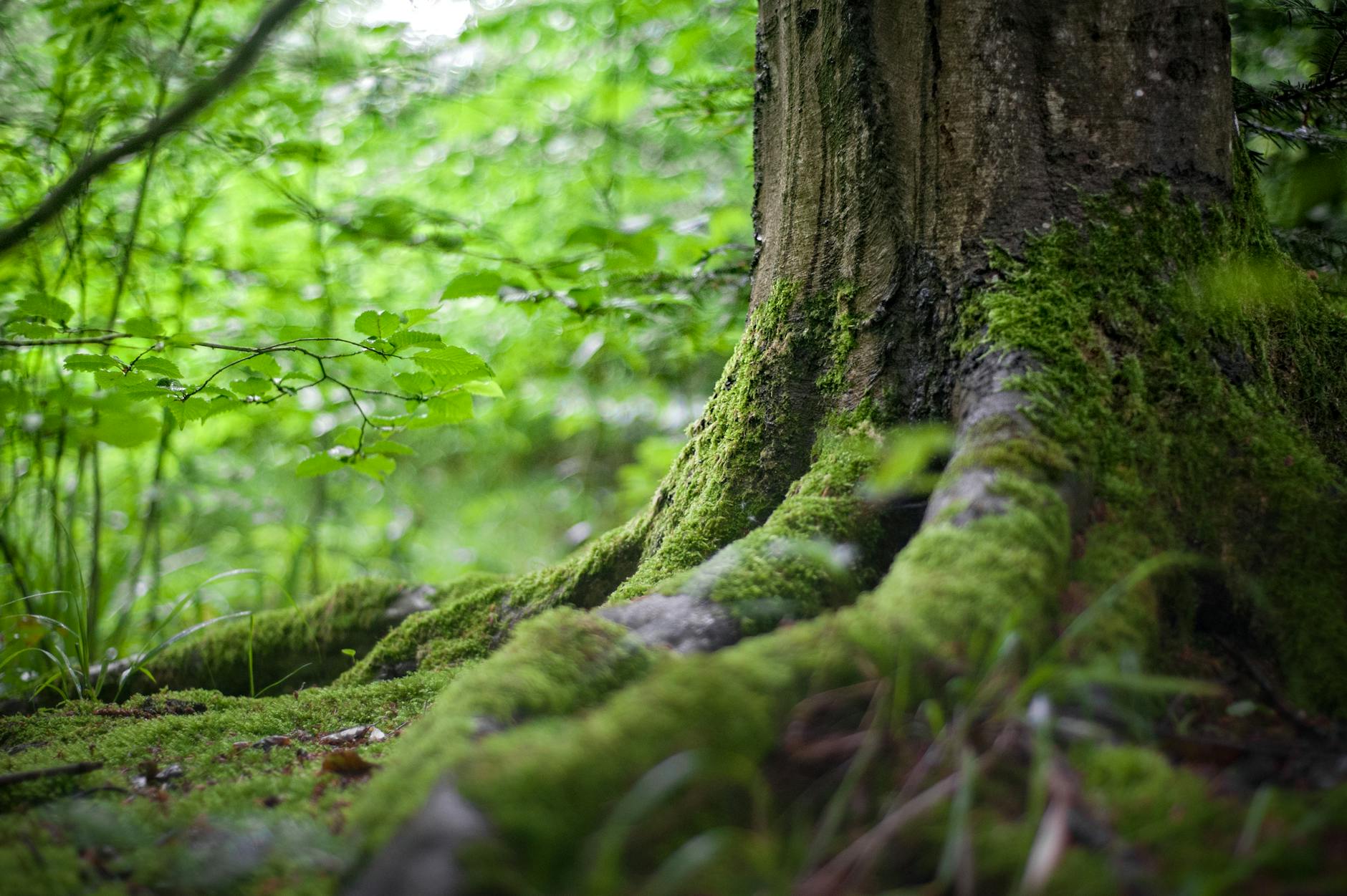
Many many years ago, before I knew what Phytoncide Therapy, Shinrin Yoku, or Forest Therapy were, I selected Stephen Kellert’s Japanese Perceptions of Wildlife as part of my short online training at Edinburgh University. Little did I know that years later, I would specialize in training Shinrin Yoku Guides (Forest Therapy Guides, Forest Bathing Guides)…
-
A Brief Examination of the Mother Tree Hypothesis. Continuous Professional Development Knowledge For Forest Therapy Guides

The “Mother Tree Hypothesis” posits that older, dominant trees play a crucial role in forest ecosystems by facilitating resource sharing through common mycorrhizal networks (CMNs). This concept has gained attention due to its potential implications for forest management, conservation, and ecological resilience. However, recent research has critically re-examined the mechanisms and evolutionary advantages of such…
-
How Forests Shape the Air We Breathe and Our Well-Being. Forest Therapy Guide’s Awareness.

Those who regularly walk among the trees know what the forest does—how it slows the mind, deepens the breath, and leaves a quiet imprint on the body. They know why it is needed. But beyond this personal experience, scientific inquiry is essential to understanding the broader impact of forests on human health. A growing body…
-
The Health Benefits of Urban Trees. Adapting Shinrin-Yoku Sessions to Urban Environments..

With every article I read, my curiosity is sparked again. This time, a fascinating scoping review on urban trees and human health caught my attention. The study, conducted by Kathleen L. Wolf and colleagues, explores how urban trees are more than just green decorations in our cities—they play a significant role in our well-being. While…
-
The Mood-Improving Effect of Viewing Images of Nature and Its Neural Substrate. Tips for Forest Therapy Guides.
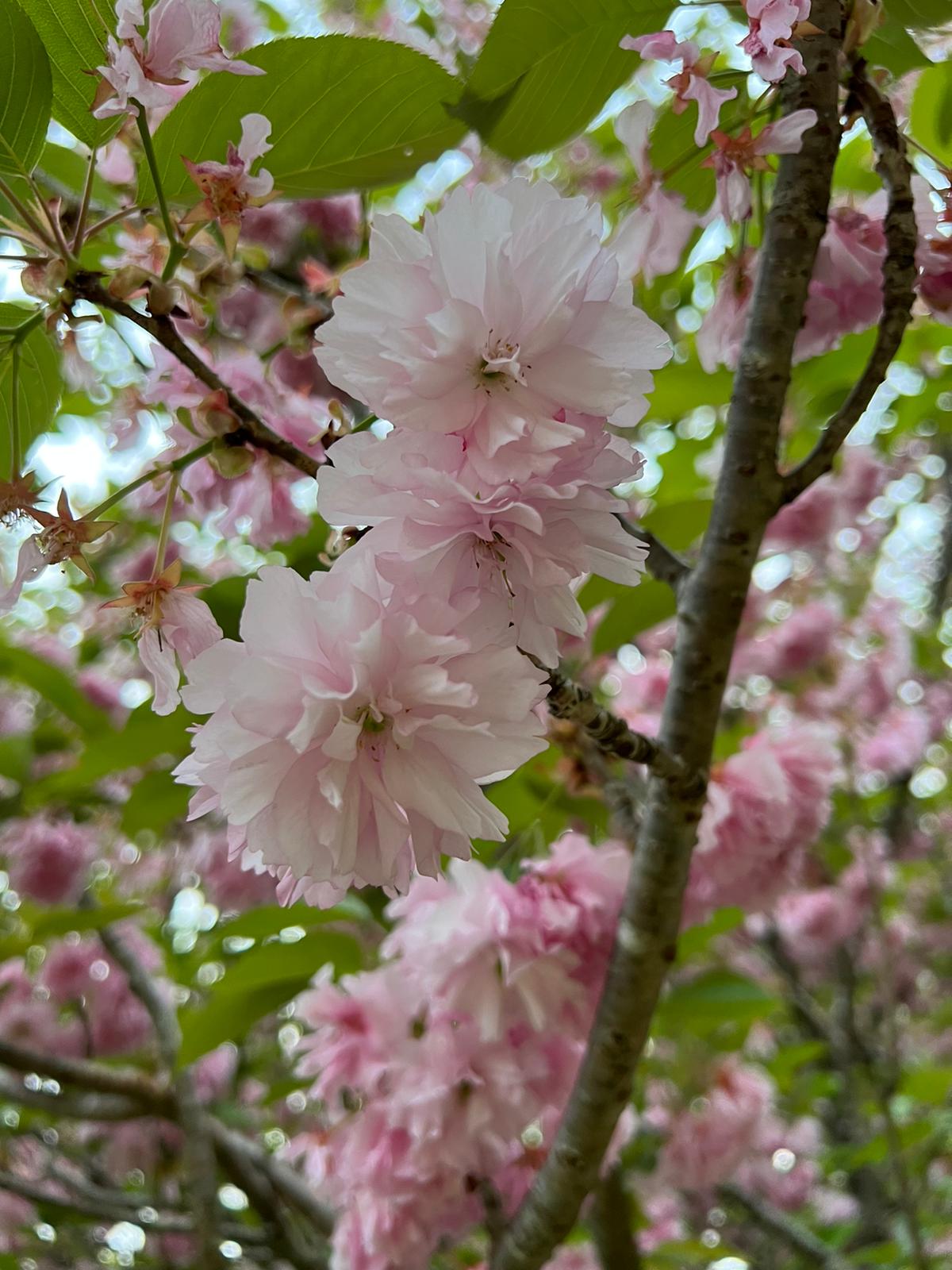
A recent study published in the International Journal of Environmental Research and Public Health investigated how simply viewing images of nature can improve mood and affect brain activity. The research, conducted by a team from Yamaguchi University and Chiba University in Japan, provides fascinating insights into the connection between natural environments and mental well-being.
-
Exploring the History of Phytoncides (Phytoncide Therapy, Forest Therapy): Insights from Russian Literature

I have decided to dive into Russian literature on the history of phytoncides, as little is found in English on the subject. The relevance of phytoncides to forest therapy and Shinrin Yoku is significant, especially given that the term “Shinrin Yoku” was coined in Japan. Russian research, particularly the work of Boris Petrovich Tokin, sheds…
-
Creative Wellbeing in Nature: A Path to Spiritual Awakening and Connection through the Practice of Shinrin Yoku/Forest Bathing/Forest Therapy Guides

In an era where technological advancements and urbanization increasingly detach us from the natural world, a growing interest in reconnecting with nature through spiritual and creative means is emerging. The work of Knut-Willy Sæther, Helga Synnevåg Løvoll, and Dag Erik Wold in Creative Wellbeing in Nature highlights how a holistic relationship with nature fosters not…