The Mindful Tourist Nature-based Interventions, Mindfulness & Wellbeing
THE MINDFUL TOURIST · PROFESSIONAL TRAINING View November 2026 intake →
PATHWAY 02 / LIVE ONLINE · MENTORED

Become a Shinrin-Yoku Guide.

A 15-week professional learning pathway in forest bathing and forest therapy—grounded in Japanese cultural perspectives, scientific understanding, ethics and the art of guiding others into relationship with nature.

Two international cohorts · Begins 12 & 14 November 2026 · 15 live teaching weeks with holiday breaks

FormatMentored online
Live learning15 live meetings
Guided practice10 sessions · 20+ hours
TuitionUS$799
A RELATIONAL WAY OF LEARNING

The forest is more than a setting.

Pathway 2 is a guided learning experience for people who wish to become professional Shinrin-Yoku / Forest Bathing / Forest Therapy Guides.

You study the foundations of the practice, but also learn how to pay attention, listen, facilitate and make safe, ethical decisions.

Developed by The Mindful Tourist TMT® and aligned with the Shinrin-Yoku Association (SYA) framework, the training brings together research, Japanese perspectives, individual contemplation and reflective learning about practical guiding.

The aim is not to memorise a set of activities. It is to grow into a guide able to respond to people, place and the living world with presence and responsibility.

THE LEARNING JOURNEY

Three modules. Fifteen learning weeks.

Five weeks of foundations, five weeks of interpersonal and personal development, and five weeks of practical guiding preparation and feedback.

MODULE 01 / WEEKS 1–5 森林浴の心

The Heart of Shinrin-Yoku

Foundations · Ethics · Science · Nature connection

W01

From Phytoncide Therapy to Forest Therapy

Origins, Japanese cultural context, science and the foundations of a personal forest practice.

W02

SYA Code of Conduct & Applied Ethics

Professional standards, boundaries, inclusive practice and responsible decisions for different participant groups.

W03

Shinrin-Yoku in Japan

Japanese cultural perspectives, historical development and interpreting scientific findings for guide practice.

W04

Phytoncides & Forest Environments

Forest air, phytoncides, seasonality, site characteristics and thoughtful route selection.

W05

Five Pathways to Nature Connectedness

Developing deeper relationships with nature, including opportunities in urban green spaces.
MODULE 02 / WEEKS 6–10 人の心・森の心

You, Participants & Forest

Wellbeing · Senses · Values · Compassion

W06

Wellbeing: Guide, Participants & Forest

Hedonic and eudaimonic wellbeing, personal care and the wellbeing circle of influence.

W07

Senses & Invitations

Sensory awareness, experiential invitations and the TMT® Degrees of Freedom model.

W08

Values & Relationship with Nature

Personal values, environmental values and their relevance to ethical guiding.

W09

Gratitude, Empathy & Compassion

Developing presence, communication and respect for individual experiences.

W10

Designing Your Shinrin-Yoku Session

Creating a structured, adaptable and participant-centred session protocol.

MODULE 03 / WEEKS 11–15 森の中

The Art of Your Practice

Session design · Assessment · Guided practice

W11

Practice Orientation & Documentation

SYA assessment markers, risk assessments, registration forms, session elements and protocols.

W12

Guided Practice 1

Facilitate a practice session, document it and reflect on feedback.

W13

Guided Practice 2

Strengthen flow, pacing, invitations and individual or group facilitation.

W14

Guided Practice 3

Apply feedback, adapt to the setting and demonstrate professional care.

W15

Guided Practice 4 & Next Steps

Review progress, prepare documentation and plan the remaining certification practice.

Milena A. Guziak 森
Milena A. Guziak · The Mindful Tourist / Shinrin-Yoku Association
YOUR GUIDE THROUGH THE TRAINING

Who will be your mentor?

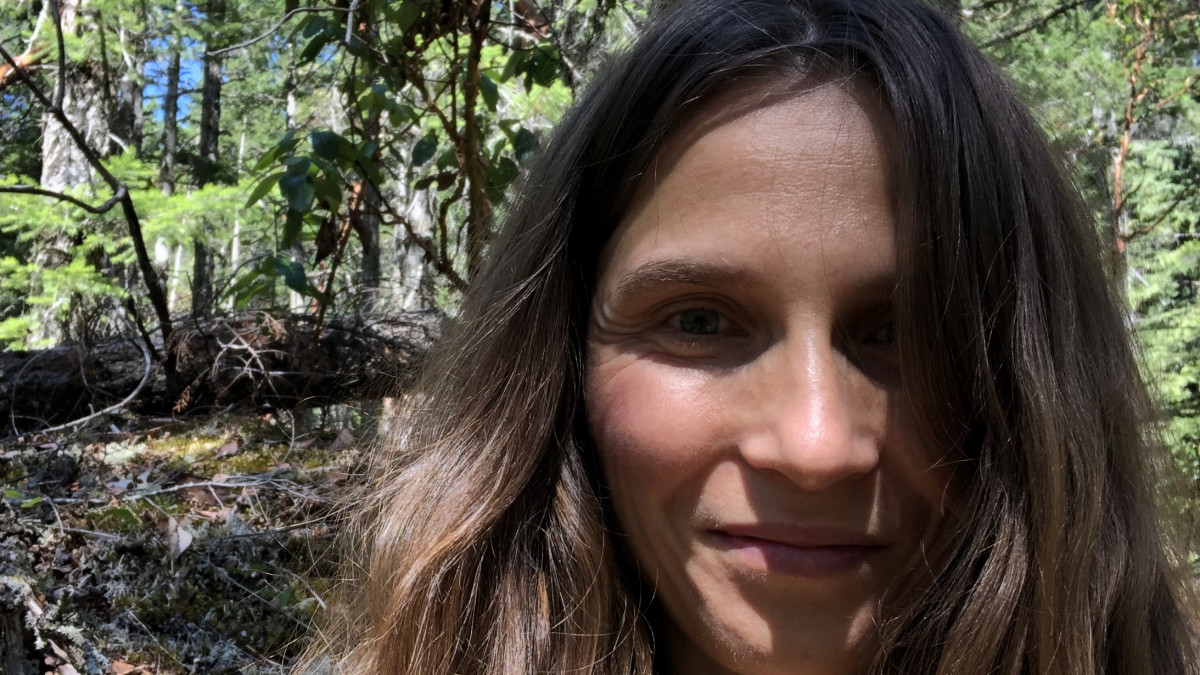
Dr. Milena A. Guziak

MChem · PhDEng (Tohoku University, Japan) · MScPsy

Throughout Pathway 2, you will learn with Milena A. Guziak, founder of The Mindful Tourist and the Shinrin-Yoku Association. Her work brings together scientific inquiry, Japanese cultural perspectives, experience in forest immersion, and a deep interest in the human relationship with the natural world.

After spending many years living in Japan, Milena developed a way of teaching that treats Shinrin-Yoku as more than a sequence of activities. For her, becoming a guide is also an ongoing practice of observation, reflection, ethical decision-making and learning to respond with care to both people and place.

In the live meetings, you will discuss research, reflect on assignments, explore practical questions, and develop your own style of guiding while remaining grounded in safety, inclusivity and professional responsibility.

Evidence-informed Japan-informed Reflective mentorship Ethical practice
UPCOMING COHORTS · NOVEMBER 2026

Choose your live meeting time.

Each cohort covers the same 15 learning weeks. Holiday breaks are scheduled according to different regional calendars. All times are in Argentina time (GMT−3 / UTC−3).

COHORT A · ASIA-FRIENDLY

Thursday mornings

9:00 am Argentina time (GMT−3)

First meeting: Thursday 12 November 2026
Final meeting: Thursday 22 April 2027
Japan: 9:00 pm JST
Singapore / China: 8:00 pm

COHORT B · INTERNATIONAL

Saturday afternoons

2:00 pm Argentina time (GMT−3)

First meeting: Saturday 14 November 2026
Final meeting: Saturday 24 April 2027
A weekend learning option for international participants.

Week Learning Focus Thursday · 9 AM Saturday · 2 PM
01Phytoncide Therapy to Forest Therapy12 Nov 202614 Nov 2026
02SYA Code of Conduct & Ethics19 Nov 202621 Nov 2026
03Shinrin-Yoku in Japan26 Nov 20265 Dec 2026
04Phytoncides & Forest Environments3 Dec 202612 Dec 2026
05Nature Connectedness10 Dec 202619 Dec 2026
06Wellbeing17 Dec 20269 Jan 2027
07Senses & Invitations7 Jan 202716 Jan 2027
08Values & Nature21 Jan 202723 Jan 2027
09Gratitude, Empathy & Compassion28 Jan 202730 Jan 2027
10Session Design18 Feb 202720 Feb 2027
11Practice Orientation & Documentation25 Feb 202727 Feb 2027
12Guided Practice 14 Mar 202720 Mar 2027
13Guided Practice 218 Mar 202710 Apr 2027
14Guided Practice 31 Apr 202717 Apr 2027
15Guided Practice 4 & Next Steps22 Apr 202724 Apr 2027

Holiday-aware scheduling: The calendar includes breaks around Christmas, New Year, Lunar New Year and other major regional holiday periods. Because of these breaks, the 15 teaching weeks span November to April rather than 15 consecutive calendar weeks. Some public and religious holiday dates vary by location and may be subject to change. Please confirm final dates before enrolling.

FROM KNOWING TO DOING

First learn to be with the forest. Then learn to guide others there.

Fifteen teaching weeks are only the beginning of a lifelong relationship with nature, learning and professional practice.

CERTIFICATION PATHWAY

What is required to become certified?

Certification is based on demonstrated competence, ethical practice and submission of your practical work—not attendance alone.

01

10 guided sessions

Facilitate 5 individual and 5 group Shinrin-Yoku sessions, each lasting at least 2 hours. Minimum 20 hours of guided practice.

02

15 invitations & solo practice

Develop invitations and undertake regular personal Shinrin-Yoku reflections to build direct experience and guiding presence.

03

Session documentation

Prepare 3 protocols, 5 meditations, registration and participation documentation, and a risk assessment before every guided session.

04

Reports & self-evaluation

Document 10 practice sessions, submit practice forms and evaluate guiding against the SYA Assessment Markers.

05

Weekly coursework

Engage with readings, assignments and reflective activities. Aim to submit weekly work two days before the live meeting.

06

Ethics & final review

Follow the SYA Code of Conduct, complete required documentation and a final session protocol, and participate in certification assessment.

During Module 3, four guided-practice assignments are introduced. Remaining guided sessions may be completed afterwards, within the applicable certification submission policy. Certification is awarded only after all required work has been assessed. This is guide education, not a medical or psychotherapy qualification.

YOUR TRAINING EXPERIENCE

What your enrolment includes.

Learning resources, live mentorship and practical tools to help you move thoughtfully from theory into professional practice.

  • 15 mentored online live meetings
  • Weekly readings, exercises and instructor feedback
  • Three core training modules
  • Japanese and international research literature
  • Planning templates and risk assessment forms
  • Sample protocols, invitations and meditations
  • Registration, participation and assessment resources
  • Access to the international learning community
  • SYA membership according to the enrolment terms
QUESTIONS & ANSWERS

Frequently asked questions.

Do I need previous Shinrin-Yoku experience?

No professional guiding experience is required. Curiosity, willingness to practise in nature, ethical learning and time for weekly assignments are important.

What is the difference between the Thursday and Saturday cohorts?

They cover the same curriculum, certification requirements and tuition. Thursday meetings begin at 9:00 am Argentina time and are convenient for many learners in Asia. Saturday meetings begin at 2:00 pm Argentina time.

Why does a 15-week training extend beyond 15 calendar weeks?

There are 15 live teaching weeks. Holiday breaks have been added around major regional celebrations. You may continue independent learning and personal practice during breaks.

Do I have to complete all 10 practice sessions before the final live class?

Not necessarily. Outstanding sessions can be completed afterwards according to the certification submission timeline. All assessment requirements remain the same.

Will I be certified automatically after attending the classes?

No. Certification requires successful completion of individual and group practice sessions, reflections, protocols, risk assessments, reports and the final review against SYA assessment markers.

What if I do not have a large forest nearby?

Selected parks, woodlands and appropriate urban green spaces can support learning and guided practice, provided locations are assessed for safety and suitability.

Is Shinrin-Yoku guiding a medical or psychotherapy qualification?

No. Shinrin-Yoku guiding can support wellbeing and nature connectedness but does not replace medical diagnosis, treatment, psychotherapy or other regulated care.

YOUR NEXT STEP

Begin the journey from experiencing nature to guiding others.

Choose your November 2026 cohort and begin developing your own practice with ethical guidance, reflection and a deeper relationship with the living world.

Enroll in Pathway 2 · US$799 ↗
THE MINDFUL TOURIST · OUR COMMUNITY

Discover the People, Places & Experiences Behind Our Training

Becoming a Shinrin-Yoku Guide is part of a much wider journey. We invite you to explore the experiences of former trainees, discover our educational pathways, meet guides working around the world, and enjoy moments captured during our forest immersion trainings.

01 / OUR GRADUATES

Student Reviews

What is it like to learn with The Mindful Tourist? Read personal reflections from trainees who have completed their Shinrin-Yoku Guide Training and discover how their experiences have influenced their lives and work.

Read Heidi's Experience ↗
02 / PROFESSIONAL LEARNING

Explore Our Trainings

Discover our professional educational pathways in Shinrin-Yoku, Forest Bathing and Forest Therapy, alongside opportunities to expand your understanding of nature connectedness, mindfulness and meditation.

Explore All Trainings ↗
03 / GLOBAL COMMUNITY

Our Guide Directory

Meet Shinrin-Yoku, Forest Bathing and Forest Therapy Guides across different countries. Discover how our graduates bring nature connection into their local communities and professional practices.

Visit the Guide Directory ↗
04 / MOMENTS IN THE FOREST

Training Photo Album

Take a visual journey through our Shinrin-Yoku training experiences in Japan. Explore photographs of nature immersion, sensory practice, forest environments and shared moments of learning.

Explore Training Photographs ↗
error: Content is protected !!
Text size
100%
Member Login Login