
Forest Bathing Guide Training Pathway 3

WITH THE FOREST
Shinrin-Yoku
Guide Training
in Japan.
Ten weeks of online learning. Five days surrounded by nature in Nara. A professional journey grounded in science, ethical practice and the art of being present.
Become a guide who listens—to people and to the forest.
Shinrin-Yoku is not a collection of activities to deliver by rote. A guide learns to create conditions for attentive, respectful encounters with nature while caring for safety, participant choice and the wellbeing of the living place itself.
Ten weeks online
Study the history, culture and science of Shinrin-Yoku, the ethics of guiding, nature connectedness and the TMT® Scaffolded Model of Engagement.
Five days in Nara
Experience practical demonstrations, guided reflection and supervised facilitation in a small group at Toyouke no Mori.
Guide in your own place
Complete your remaining practice sessions after Japan, submit your professional documentation and undertake the final certification review.
 01 · THE WALK
“To learn to guide is also to learn to notice.”
FOREST · HUMAN · RELATIONSHIP 02 · THE DETAIL
Five days at Toyouke no Mori
In a quiet natural setting near the ancient city of Nara, your learning moves from the screen to the forest. Here we slow our pace, practise with one another and deepen the relationship between knowledge, experience and responsible guiding.
You can expect demonstrations, forest observation, site risk assessment, facilitation practice, reflective dialogue, and space to connect with the people and place. This is professional training rather than a sightseeing tour.
An outdoor learning environment shaped by hospitality, ecological care and community.


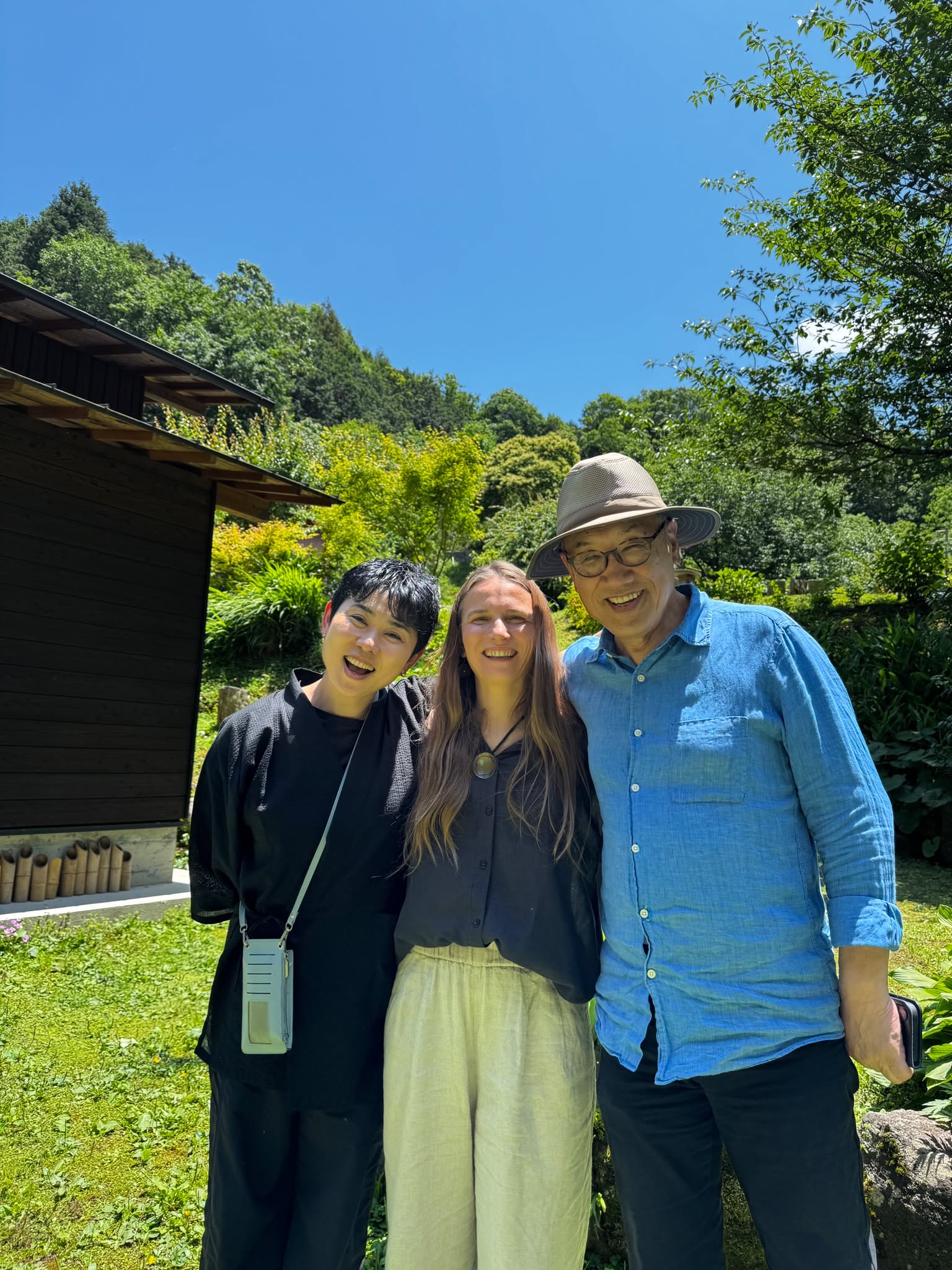
Chie, Milena and Hiro · Toyouke no Mori
Toyouke no Mori: a forest of abundance
The name Toyouke no Mori means “Forest of Toyouke.” It evokes Toyouke, a Japanese deity associated with bountiful food, agriculture and the nourishment that sustains life. The name feels especially fitting for a place where food, land, culture and human connection meet.
Set among the hills near Nara, Toyouke no Mori grew from a vision for more sustainable living, shared learning and a closer relationship with the land. Architect Hiro Minato and artist Mayumi Oda helped establish the project, with Chie caring for and hosting the people who come to the forest.
Hiro brings a long-standing vision of place and community; Chie, the host and current owner, welcomes guests through warmth, seasonal food and Japanese cultural traditions, including ikebana and tea ceremony. Over eight years of friendship and connection between The Mindful Tourist and Toyouke no Mori, a valued human relationship has developed alongside the trainings.
Our hosts and the forest are not merely the backdrop of the course. They are part of how we learn hospitality, gratitude, ecological interdependence and the art of paying attention.
Abundance begins
with attention.

A simple, nourishing five-day rhythm
The way we eat, rest, speak and share space also shapes an immersion. The experience is intentionally simple, giving more room for forest practice, meaningful conversations and genuine rest.
Fresh, plant-based meals
Vegan meals are prepared by a Japanese cook with ingredients from the Toyouke no Mori farm and local farmers wherever available. We aim for nourishing, balanced meals that feel light during an emotionally and physically engaging training.
Eight included meals
One meal on arrival day, two meals daily on July 27, 28 and 29, and one meal on departure day: eight meals in all. Please bring personal snacks for times between meals.
Time to be here
Traditional Japanese-style shared sleeping arrangements, often with futons or mattresses and shared bathrooms. The group remains at the centre during the five days; outside restaurant or shopping trips are not scheduled.


From student to responsible professional guide
Online component · Before Japan
- Participate in your weekly online meetings and learning activities.
- Complete the required readings, assignments and module reflections.
- Engage in regular individual Shinrin-Yoku practice and keep a reflective journal.
- Develop invitations, meditations and session protocols based on the TMT® model.
- Learn the SYA Code of Conduct, informed consent and physical and emotional risk considerations.
- Prepare required documents for your practical training in Japan.
Immersion & certification
- Attend the five-day immersion in Nara and practise safe, ethical participation.
- Conduct 3 supervised guide-led practice sessions in Japan.
- Conduct 7 further sessions after returning home.
- Complete 10 sessions total, minimum two hours each: five individual and five group sessions.
- Submit session planning and risk assessments, consent and registration documents, reflection and SYA self-evaluations.
- Complete the final assessment and certification review within 12 months of enrolment.
The full training portfolio also includes 3 protocols, 15 invitations and 5 meditations as specified by your instructor. Attending the immersion alone does not automatically result in certification.
Meet the guides and hosts
Professional learning happens through human connection. Our team brings together training, Japanese cultural knowledge, lived forest practice and years of collaboration.
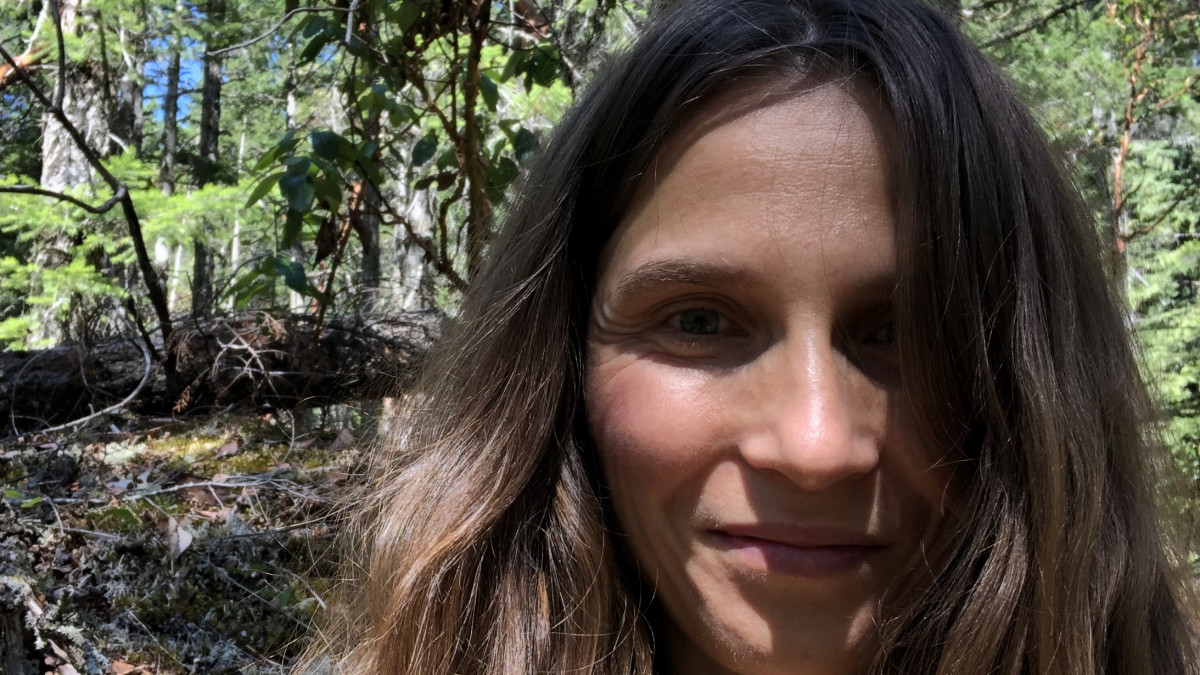
Dr Milena A. Guziak
Founder of The Mindful Tourist and the Shinrin Yoku Association, Milena brings together scientific inquiry, mindfulness, nature connection, reflective practice and the TMT® Scaffolded Model of Engagement. Her approach invites students to become thoughtful guides, not simply to reproduce a script.
Discover The Mindful Tourist ↗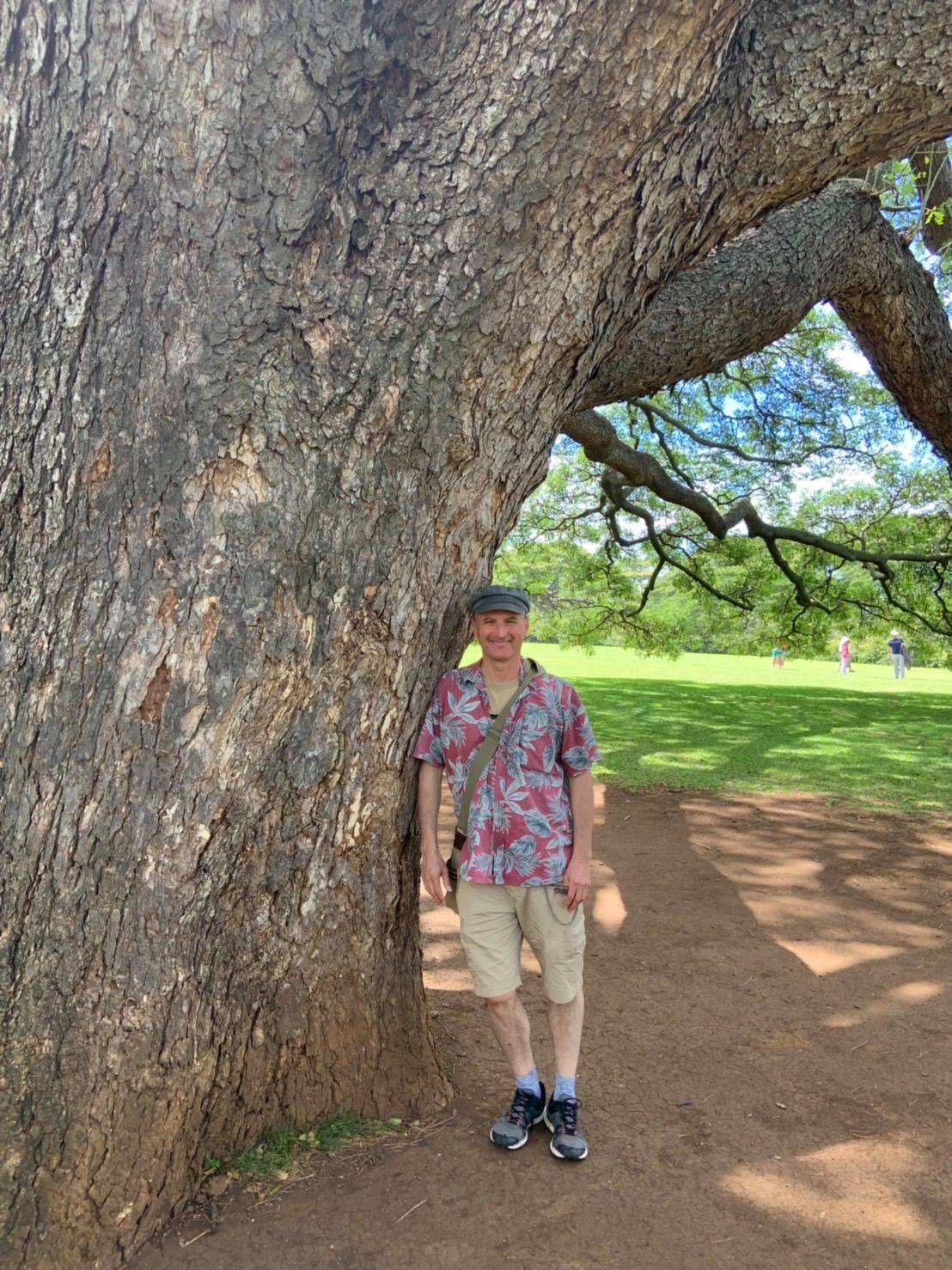
Keith Wesley Adams
Keith runs Kyoto Woods & Farms, including Shinrindo forest-bathing experiences and The Small Farm. A TMT®-certified guide and member of the Shinrin Yoku Association, he brings firsthand experience of forests, agriculture and culture in Kyoto and Nara to the 2027 training.
Visit Kyoto Woods & Farms ↗Portrait source: Kyoto Woods & Farms.

Chie
The welcoming host and owner of Toyouke no Mori, Chie shares thoughtful hospitality, food rooted in the seasons and knowledge of Japanese traditions. Her practice includes ikebana and hosting tea ceremonies, bringing the arts of attention and beauty into the experience.

Hiro Minato
An architect and one of the people who developed the Toyouke no Mori vision alongside artist Mayumi Oda, Hiro helped create a place where nature, traditional culture, sustainable living and meaningful gatherings can come together.

A shared commitment to the forest
Milena and Keith at Kyoto Station with the Shinrin-Yoku Journal—one of the many personal moments that make this programme a collaboration between people and places.
“The heart of the forest. The heart of the human. Guiding begins in the space where we meet.”
The Mindful Tourist · Our educational philosophy
Preparing for Japan
When to arrive
We recommend arriving in Japan a few days before July 26, 2027. Long journeys and time-zone changes can be tiring, so allow yourself time for rest and adjustment. Any nights outside the July 26–30 immersion are arranged separately.
Arrival and transport
Transport is provided only from the designated nearest station, JR Obitoke, to the training centre at the organised pick-up time. We do not provide airport transfers or general transportation around Japan. Your instructor will send detailed arrival instructions in advance.
Your packing essentials
- Passport and any required entry documents
- Travel medical insurance documentation
- Comfortable, broken-in walking shoes and easy-to-move-in clothing
- Light rain protection, sunhat and layers for indoor and outdoor conditions
- Reusable water bottle, insect protection and sun protection
- Small backpack, notebook and pen
- Personal medication, if permitted for entry to Japan
- Snacks for between meals and personal hygiene necessities
Your instructor will provide a more detailed practical preparation list.
Frequently asked questions
Please read this section carefully before booking your place and making travel arrangements.
What are the dates for Edition 13?
When are the online classes?
What do I need for the online part?
How physically demanding is the immersion?
What should I bring to Japan?
When should I arrive in Japan?
What meals are included?
What is the accommodation like?
Is transportation provided?
Do I need travel insurance or a visa?
Can I bring my medications to Japan?
How many practice sessions will I complete?
What is the cancellation and transfer policy?
How should I book flights?
Does the immersion automatically qualify me as a guide?
Will I receive more detailed instructions?
Explore our photo album
Discover people, places and small moments from our training journeys. These photographs share something of the atmosphere that words cannot quite hold.


Photographs include your supplied photos and images from the TMT® Japan training collection. Kyoto Woods & Farms photography is used in the Keith introduction.
If the photo album is not published yet, create the WordPress page with slug photo-album to activate this link.
Explore all three pathways
The core professional principles stay the same. Choose the way of studying that best supports your circumstances.
Would you like to talk with us before joining?
Travelling to Japan for training is a meaningful decision. If you have questions about the course, accessibility, preparation or the experience at Toyouke no Mori, please reach out. We are happy to help you decide whether this pathway is right for you.
You can also use the live chat icon in the bottom-right corner of our website to leave a message for The Mindful Tourist team.
Write to our team
info@themindfultourist.netFor Edition 13, please mention “Shinrin-Yoku Guide Training Japan 2027” in your message.
Your forest journey can begin here.
Join us for professional learning, thoughtful practice and a meaningful encounter with nature and the people who care for it.
Enrolment availability, fees and legally binding conditions are shown on the official learning platform.